Injection Molding Service – Dongguan, China
Injection molding is a processing method that combines injection and mold forming, offering numerous advantages, including high production speed, high efficiency, automation capability, a wide variety of colors and materials, the ability to manufacture parts ranging from simple to complex shapes, and high dimensional accuracy.
We are a leading provider of professional injection molding services in China. KaiMi is dedicated to delivering high-quality and cost-effective injection molded parts for a wide range of industries.
Email Us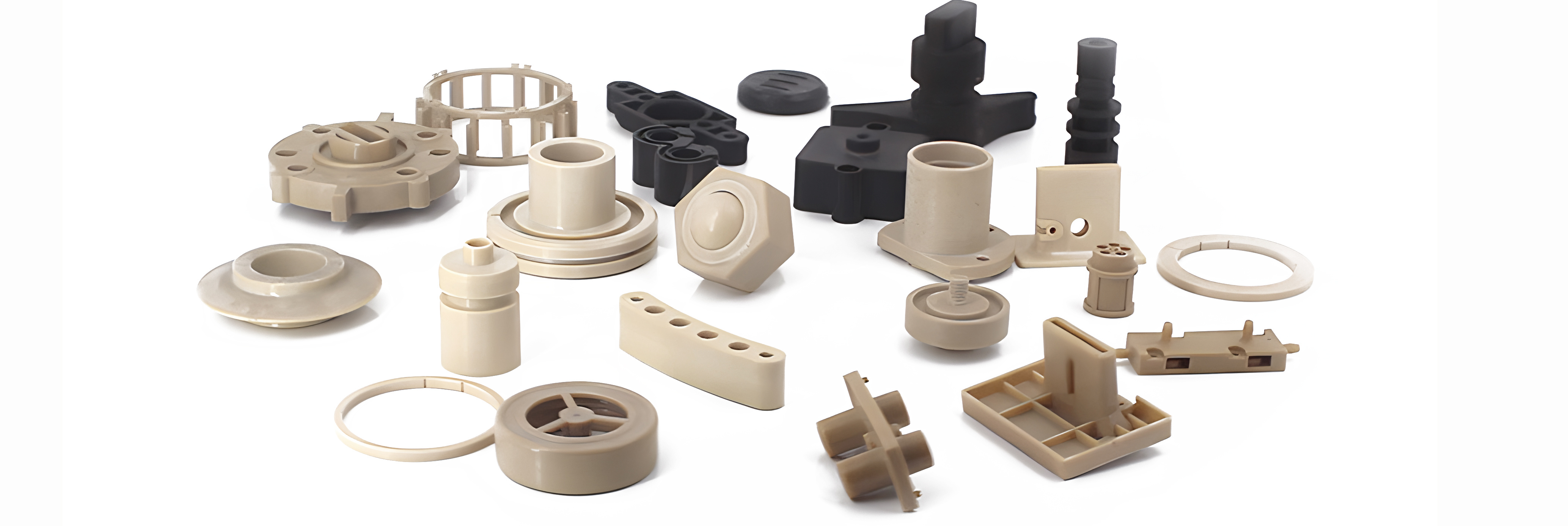
Injection Molding Capabilities
We have advanced injection molding equipment and extensive manufacturing experience, enabling us to meet the diverse needs of various industries for plastic parts.
Clamping Force Range
30 tons to 1000 tons, meeting the size requirements for various products
Mold Cavities
Single-cavity and multi-cavity molds supported to improve production efficiency
Material Support
Thermoplastics: ABS, PC, PP, PE, PA, POM, TPU, TPE, etc.
Process Types
Single-color, Dual-color/multi-color, Overmolding, Insert molding
Mold Development
In-house mold design and manufacturing capabilities, shortening development cycles
Surface Treatment
Polishing, texturing, spraying, electroplating, and other post-processing
We are committed to providing our clients with a one-stop solution from product design, mold manufacturing to injection molding.
Why Choose Our Injection Molding Services?
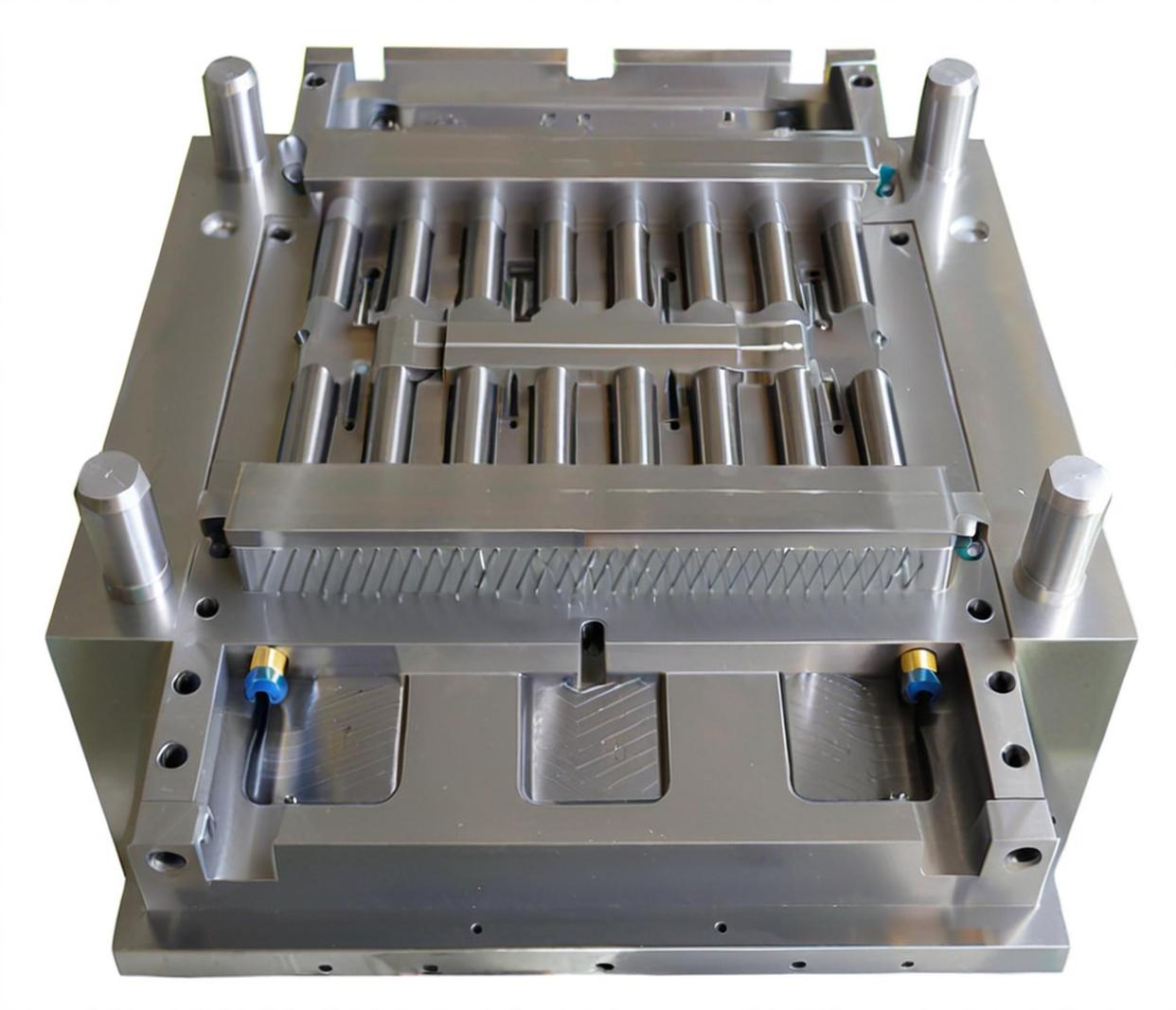
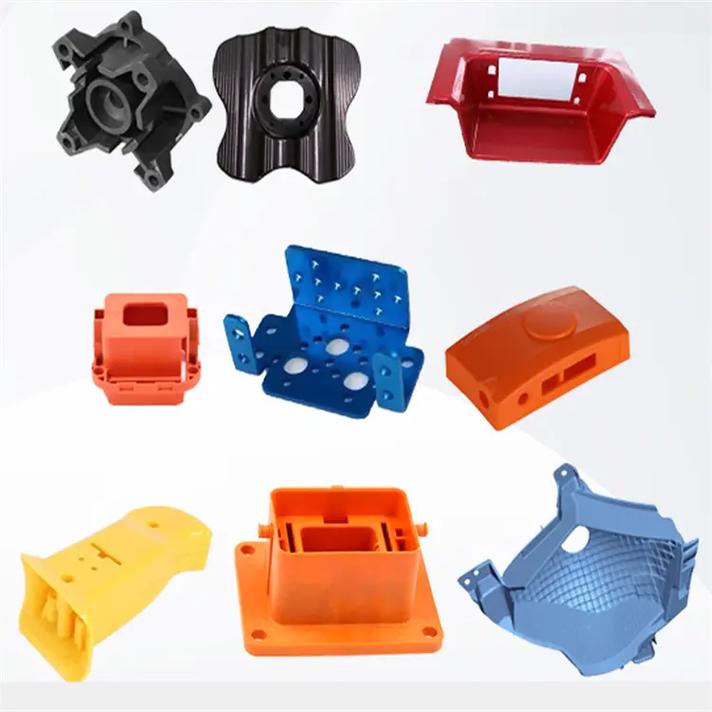
KaiMi is one of the leading mold manufacturers in China. We specialize in providing high-quality product molding solutions for various industries, including medical injection molding, electrical injection molding, automotive injection molding, and more.
To meet the growing demand for plastic products, we continuously upgrade our equipment and technology, dedicated to providing higher-quality injection molding services that ensure we meet all your needs for plastic products and mass production.
What is Injection Molding?
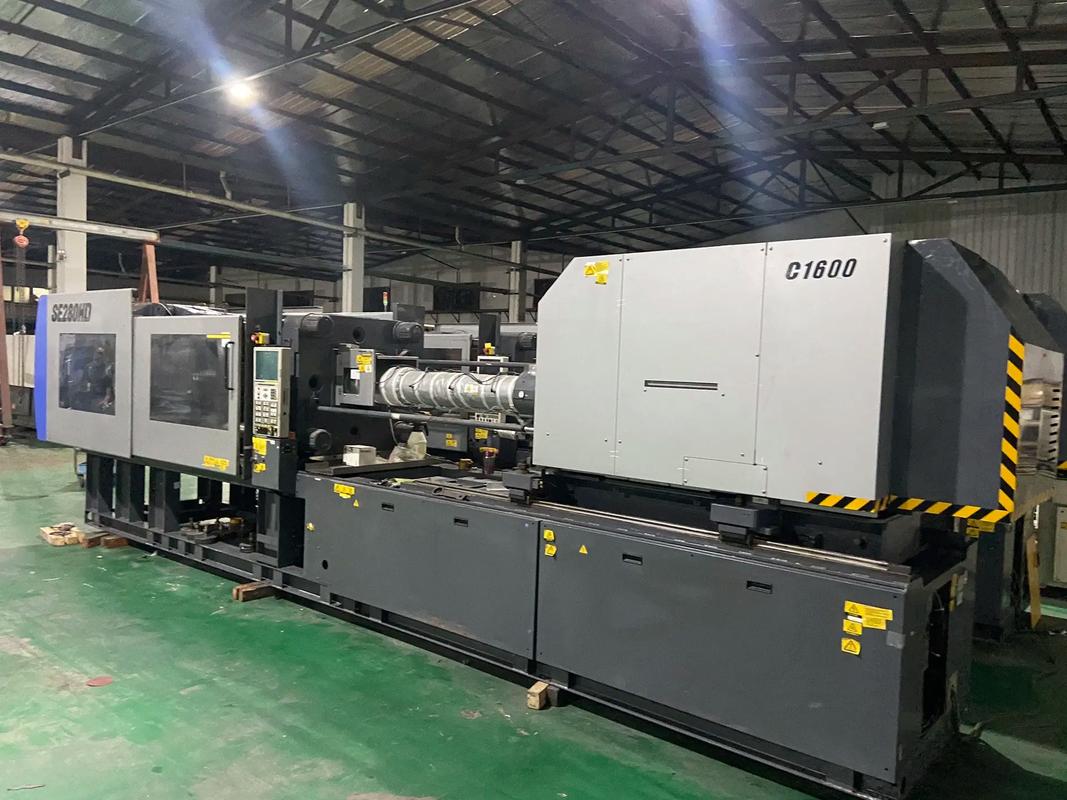
Injection molding is a highly efficient manufacturing process in which molten thermoplastic or thermosetting materials are injected under high pressure into a metal mold, then cooled and solidified to form parts with specific shapes.
The process involves feeding granular or powdered plastic into the injection molding machine's barrel, where it is melted and plasticized through heating and the shearing action of a rotating screw. The uniform melt is then pushed forward by the screw under high pressure, passing through the nozzle and runner system into the closed mold cavity.
Key advantages include: high production efficiency, excellent dimensional accuracy, repeatability, a wide range of material options, high automation capability, low labor cost, minimal material waste, and little to no need for post-processing.
Injection Molding Materials
We have the capability to injection mold nearly all types of thermoplastic materials, meeting the needs of a wide range of products.
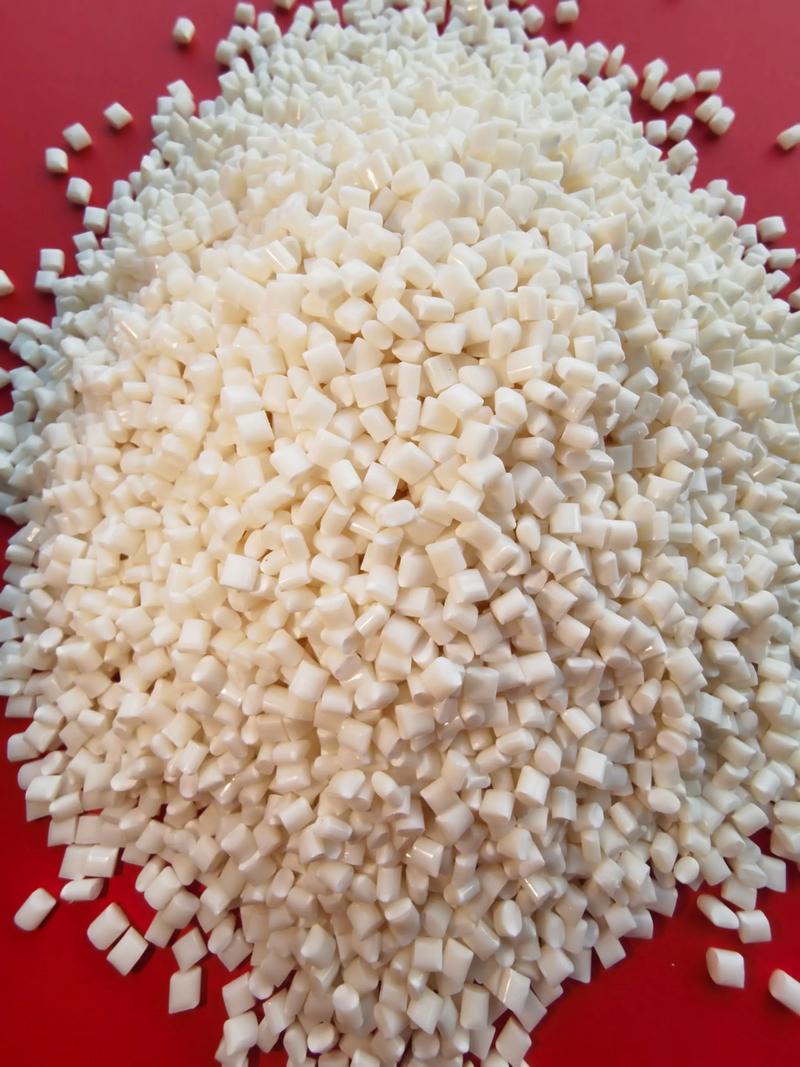
ABS
ABS is one of the most commonly used thermoplastic engineering plastics in injection molding. It is widely applied due to its excellent overall mechanical properties and processability.
Composition and Characteristics of ABS
Synergistic effect of three components:
- • Acrylonitrile (A): Provides chemical resistance and hardness
- • Butadiene (B): Enhances toughness and impact resistance
- • Styrene (S): Ensures surface gloss and processing fluidity
As a result, ABS is a material that combines toughness, hardness, and rigidity. It features easily available raw materials, outstanding comprehensive performance, low cost, and an extremely wide range of applications.
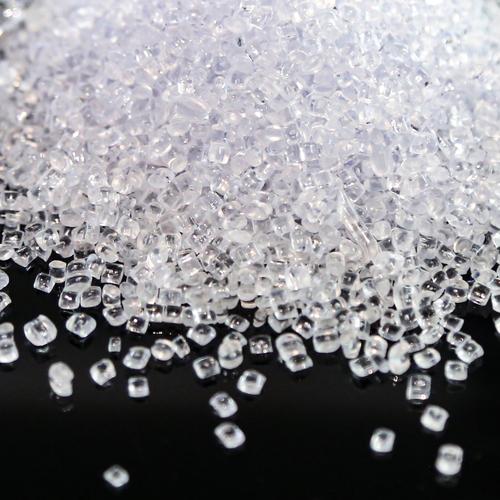
Polycarbonate (PC)
PC (Polycarbonate) is an engineering plastic with excellent overall performance.
It has the following characteristics:
- Perfect Transparency: With a light transmission rate of up to 90%, it is close to glass and is commonly used in optical lenses and beverage bottles (such as space cups).
- Excellent Impact Resistance: Known as "bulletproof plastic," it can withstand external impacts even when it is only 2mm thick (e.g., automotive lamp covers).
- High Temperature Resistance: The heat distortion temperature is about 120–130°C, and it can withstand steam sterilization, making it suitable for medical instruments.
- Recyclability: PC material is recyclable and meets modern environmental standards.
- UV Resistance: It can be treated to enhance its UV resistance, making it suitable for outdoor environments.
PC plastic can be processed using various methods, including injection molding, extrusion molding, blow molding, and thermoforming.
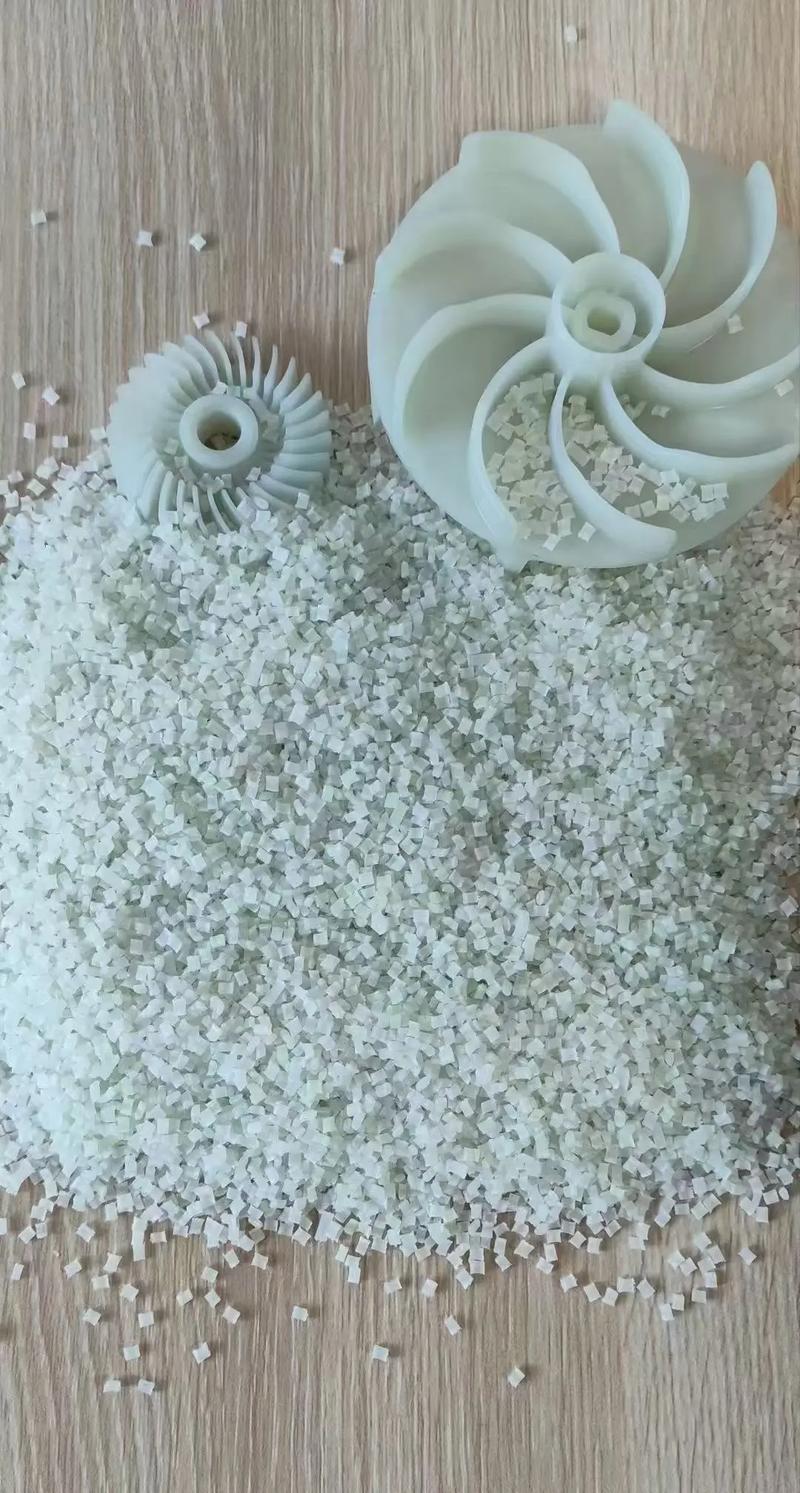
Nylon
Nylon (chemical name: Polyamide, PA) is a widely used engineering plastic known for its excellent mechanical properties and processing adaptability. It performs exceptionally well in injection molding, extrusion, and machining applications.
Typical Properties:
High Strength + Wear Resistance: Excellent self-lubricating properties, can replace metals in making gears (e.g., sewing machine components).
Chemical Resistance: Resistant to oils and solvents, but tends to absorb moisture (which reduces dimensional stability after absorption).
Processing Temperature: PA66 is around 260–290°C, while PA6 is around 220–250°C.
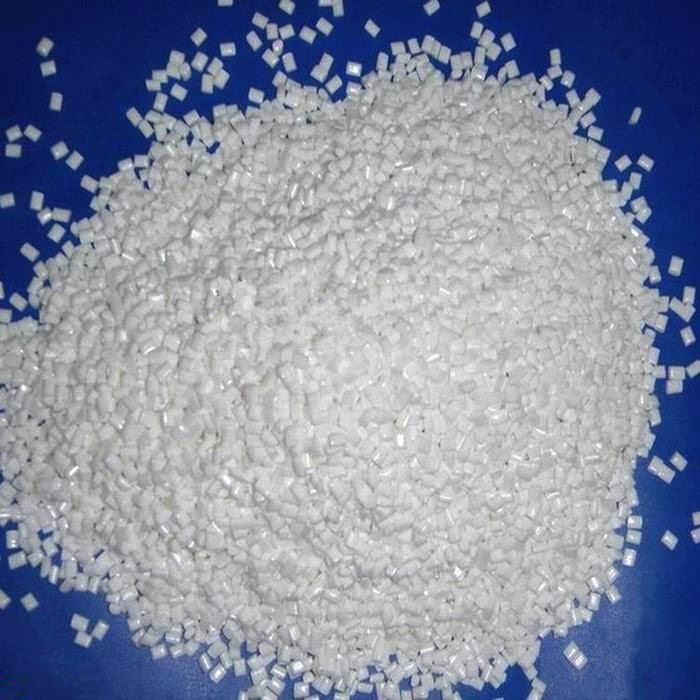
PBT
PBT is a semi-crystalline and commonly used thermoplastic engineering plastic, known for its excellent mechanical properties, chemical stability, heat resistance, and electrical insulation performance. It is mainly used in applications that require high strength, wear resistance, and good dimensional stability, and is widely utilized in the electronics, electrical, and automotive industries.
PBT is suitable for various molding processes, including injection molding, extrusion molding, blow molding, and compression molding.
With its good flowability, PBT meets the requirements of high-precision and high-efficiency production. Typical applications include electrical connectors, power tool housings, and automotive components.
PEI
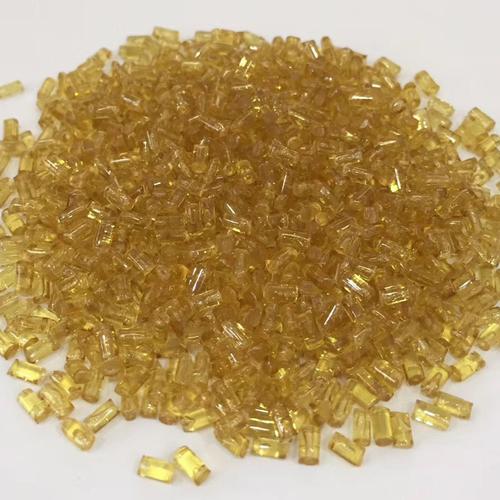
PEI is a high-performance thermoplastic engineering plastic known for its excellent heat resistance, high strength, dimensional stability, and outstanding electrical insulation properties. It is widely used in demanding industrial applications, particularly in aerospace, electronics, and electrical industries. A well-known commercial brand of PEI is the Ultem® series by SABIC.
Processing Methods:
Injection molding, extrusion molding, compression molding, and 3D printing (FDM-grade available)
Note:
PEI requires high processing temperatures, with a recommended mold temperature of ≥140°C and a melt temperature between 340–400°C. Specialized high-temperature equipment is required for processing.
More material
In addition to commonly used injection molding materials, KaiMi also offers a wider range of options, including POM, PMMA, PEEK, PA, PPS, and more. For detailed material information, please feel free to contact us.
Ready to Start Your Injection Molding Project?
Contact us today for a free quote and consultation on your injection molding needs.
Email Us